

News
Contact UsNews
Contact UsHow to Select Commercial Flooring for Office Spaces: Key Factors for Project Buyers
-
 author
- 29 September 2026

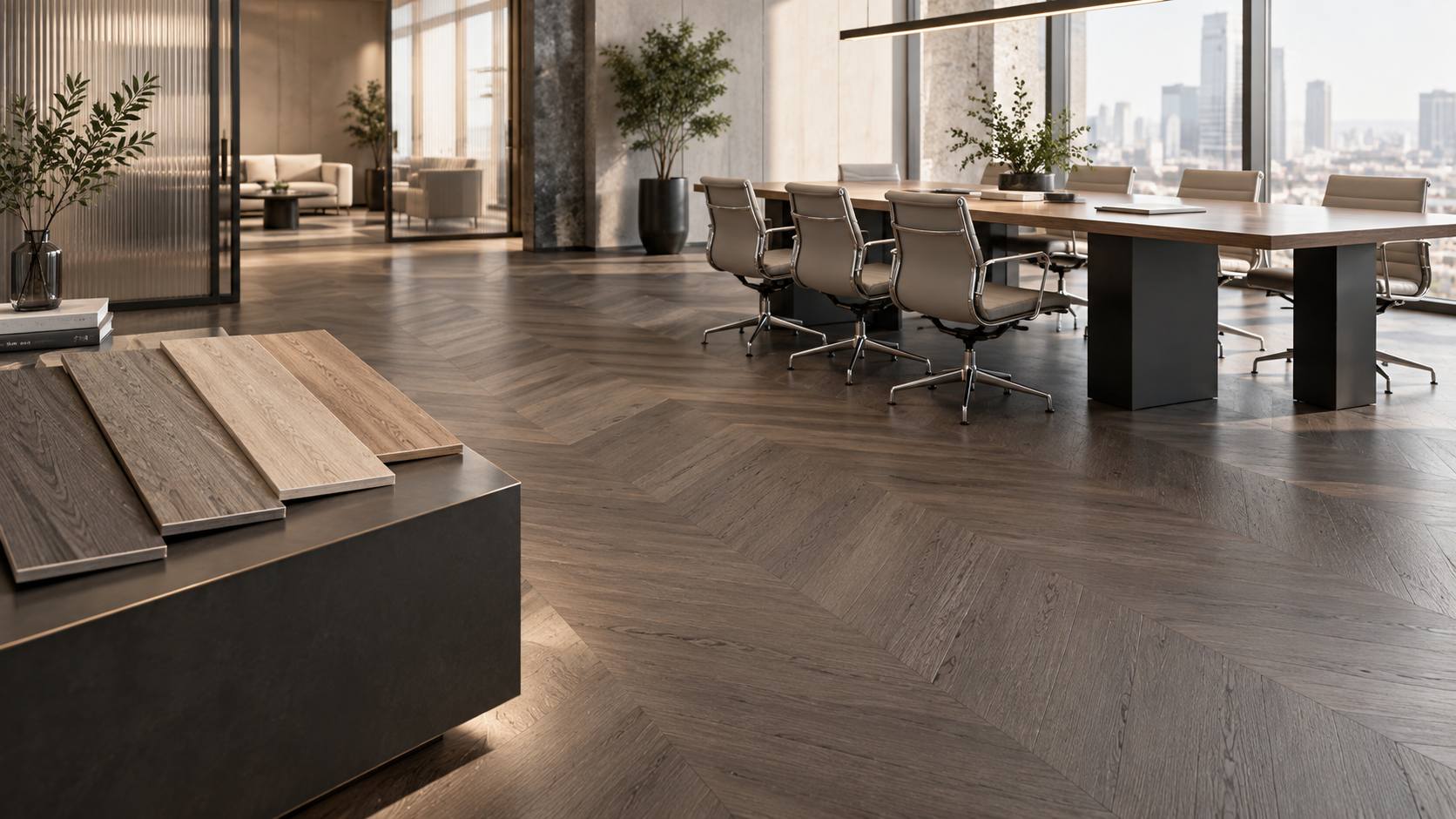
Office flooring needs to work around how people use a building, particularly during renovation. A reception area receives visitors throughout the day, while the floor beneath a workstation has to withstand years of chair movement. Meeting rooms bring furniture movement and acoustic concerns into the picture. These differences are easy to overlook when a project begins with one flooring design for the entire office. Before ordering commercial flooring, project buyers need to understand the daily activities in each area, the existing substrate, and the work required to complete installation without disrupting office operations.
Why Do Different Office Areas Need Different Flooring Requirements?
A floor plan does not always reveal where the greatest wear will occur. The corridor leading to a meeting room may receive more traffic than the room itself, while a small workstation can experience considerable localized wear from a chair moving repeatedly over the same section of flooring.
Workstations and Meeting Rooms
Workstations need particular attention because of rolling chairs and fixed furniture. Chair casters create repeated pressure on a relatively small area, while moving desks during future office alterations may expose indentation or surface marks that were previously hidden.
Meeting rooms have a different pattern of use. Chairs are pulled away from tables, furniture may be rearranged, and the flooring contributes to the room’s acoustic environment. A material selected for its appearance still needs to accommodate those everyday activities.
Reception Areas and Corridors
Reception flooring is exposed to visitors, deliveries, and dirt brought inside from outdoors. The area immediately inside an entrance may require more frequent cleaning, particularly during wet weather.
Corridors receive steady pedestrian traffic, although the amount of wear depends on the building layout. Where furniture or equipment is regularly transported, rolling loads become another consideration.
A room schedule helps distinguish these conditions before deciding whether one flooring construction can serve several areas.
Which Commercial Flooring Materials Fit Different Office Spaces?
Similar wood-look surfaces can be found across several flooring categories, but their installation methods, core structures, and underfoot characteristics may differ considerably.
The following comparison provides a starting point for discussing material options with the project contractor.
| Office Area | Flooring Options | Main Selection Concern |
| Reception | SPC, commercial LVT | Surface wear and cleaning |
| Open workstations | LVT, SPC, WPC | Chair movement and indentation |
| Corridors | SPC, commercial LVT | Repeated traffic and maintenance |
| Meeting rooms | LVT, WPC, laminate | Furniture movement and acoustics |
| Break areas | SPC, LVT | Spills and cleaning requirements |
These options are not interchangeable simply because they appear in the same table. The final construction needs to match the room conditions, installation method, and documented performance requirements.
Where Do Rigid and Flexible Flooring Differ?
SPC flooring has a rigid core and is commonly available with click installation. It may be considered for renovations where floating installation suits the building, although the substrate must meet the relevant preparation requirements.
LVT flooring offers flexible constructions, including glue-down options. A bonded floor may be considered where finished floor height or localized replacement influences the project, provided the adhesive and substrate conditions are appropriate.
WPC flooring offers another option where underfoot comfort is part of the brief. Its suitability for workstations with rolling chairs needs to be checked against the product’s indentation and installation requirements.
Can Laminate Work in an Office?
Laminate flooring can be considered for suitable dry office interiors where a wood-look surface and abrasion resistance are required. Its fiberboard-based core makes moisture management more significant than with vinyl-based flooring, particularly around entrances and break areas.
What Happens to Office Flooring Under Daily Use?
The floor beneath a desk may receive relatively little foot traffic, yet it can experience more repeated mechanical loading than an open corridor. This distinction matters because wear resistance and indentation resistance describe different aspects of performance.
Chair Casters and Furniture Loads
Office chairs move over a limited area throughout the working day. Their effect on flooring depends on caster material, wheel design, furniture weight, floor construction, and the substrate below.
Wear-layer thickness alone cannot establish how a floor will behave under concentrated rolling loads. Where rolling chairs are used extensively, the furniture specification and flooring installation instructions need to be checked together, including whether suitable casters or protective mats are required.
How Much Does Acoustic Performance Matter?
A meeting room used for video calls may have different acoustic requirements from an open workspace, while sound transmission between floors introduces considerations that cannot be addressed by the floor covering alone.
Underlayment can influence impact sound, but the result depends on the complete floor assembly. Where acoustic performance is required, the relevant test information needs to describe a comparable assembly rather than only the backing material.
Cleaning also deserves attention. A textured finish may be attractive in a sample, but the maintenance team needs to confirm that its equipment and cleaning products are appropriate for the surface.
How Can Installation Conditions Affect an Office Renovation?
A flooring choice may look practical during design approval but become difficult to install once the contractor examines the existing building. Door clearances, uneven concrete, retained partitions, and occupied work areas can all affect the installation sequence.
Existing Subfloors and Finished Floor Height
Concrete should be reviewed for flatness, moisture, and surface condition before the installation system is confirmed. Floating flooring requires a sufficiently flat and stable base, while glue-down products also depend on appropriate adhesive and substrate preparation.
Finished floor height needs to be coordinated around doors, lift entrances, and adjoining finishes. Where existing fittings are retained, additional flooring build-up may create work that was not included in the original budget.
Working Around an Occupied Office
A renovation carried out while employees remain in the building requires a different installation plan from an empty fit-out. Furniture may have to be moved between rooms, corridors may need to remain accessible, and work might be restricted to evenings or weekends.
Material delivery, floor preparation, installation time, and any required adhesive curing need to fit the contractor’s schedule. Comparing installed cost rather than material price alone also brings these differences into view.
What Should Be Agreed Before Ordering Flooring for an Office Project?
Once the flooring construction has been selected, the remaining purchasing questions become more specific. A sample confirms the intended appearance, but it does not establish whether the quotation, technical documents, installation requirements, and delivered material will all describe the same product.
Check Samples and Order Details Together
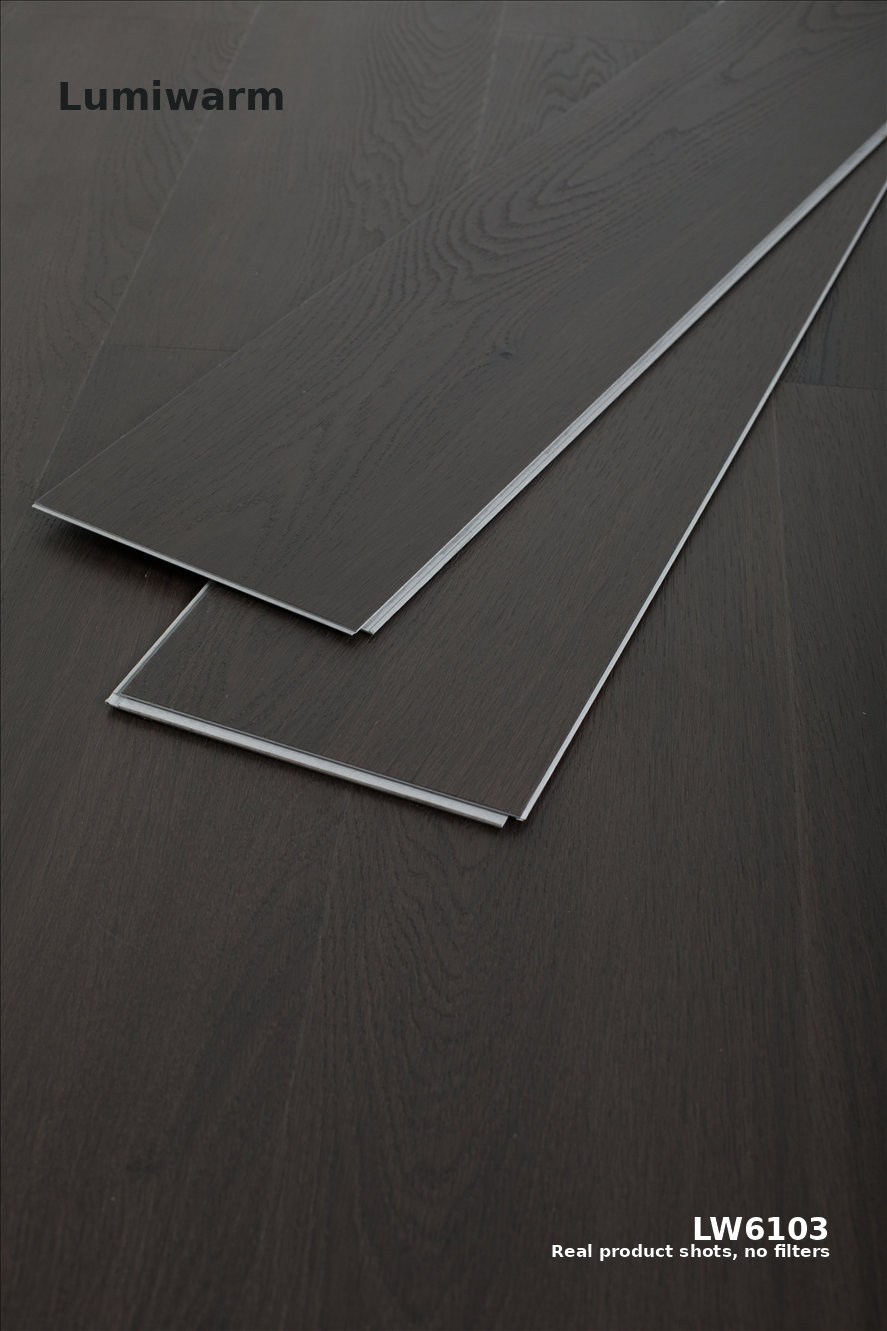
Several assembled planks provide a clearer picture of joint alignment, edge consistency, and pattern repetition than a single loose piece. The approved sample should be recorded alongside the final construction so that it remains a reference during purchasing and delivery.
Before the order is released, the project file should confirm:
- Approved samples and quantities for each office area
- Flooring construction, dimensions, thickness, and surface finish
- Installation method and substrate preparation requirements
- Applicable test documents and inspection requirements
- Packaging, batch identification, and delivery sequence
- Spare material for future repairs
Keeping material from the original order can make later office alterations easier, particularly when a decorative finish is no longer available in exactly the same form.
Need a Flooring Sourcing Partner for Your Office Project?
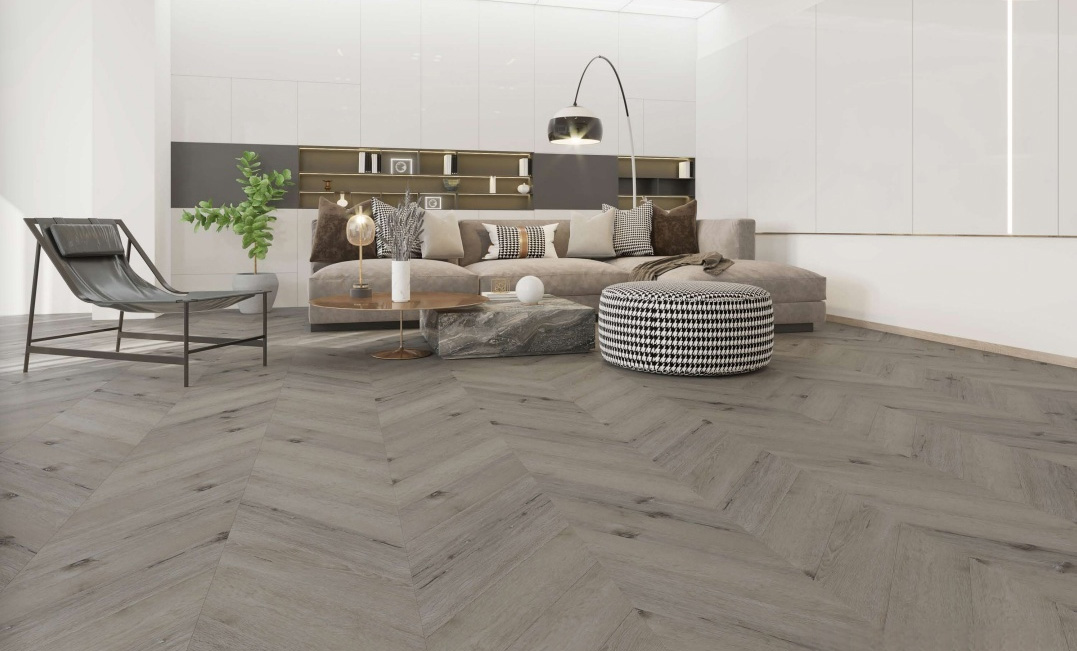
Whether the work involves a new office fit-out or replacing flooring in an occupied building, coordinating specifications, samples, packaging, and delivery arrangements can make purchasing easier to manage. Sichuan Lumiwarm Decoration Materials Co., Ltd is a flooring supplier and sourcing partner serving overseas distributors, importers, contractors, and commercial project buyers. Its product range includes SPC, LVT, WPC, and laminate flooring, with different surface designs and constructions available for review according to project requirements. The company also supports customized specifications and packaging arrangements for customers developing commercial flooring collections. Buyers looking for a specific product reference can review LVT Flooring LW10201 before discussing sampling, technical information, and order requirements.
Conclusion
Office flooring selection becomes easier when the project team understands how each space will be used before choosing a material. Chair movement, pedestrian traffic, acoustics, cleaning, and existing substrate conditions can all influence the final specification. A renovation schedule may introduce further restrictions, particularly where employees need to remain in the building. Before ordering, confirm the installation method, review assembled samples, check the required technical documents, and agree on delivery arrangements and spare material with the contractor.
FAQs
1. Which flooring is suitable for open-plan offices?
LVT, SPC, and WPC may be considered depending on the intended installation and daily use. In workstation areas, caster compatibility, indentation performance, cleaning requirements, and substrate conditions deserve attention before the flooring construction is approved.
2. Can the same flooring be used throughout an office?
One flooring construction may work across several areas when their operating conditions are similar. However, entrances, workstations, and break rooms can face different traffic, moisture, and maintenance requirements, so those differences should be reviewed before using one specification everywhere.
3. Does thicker office flooring offer better durability?
Not necessarily. Overall thickness affects the finished floor build-up, but wear resistance, indentation, locking performance, and installation suitability depend on other parts of the construction. Products with similar thickness may therefore behave differently under rolling chairs and regular office traffic.
4. What should be checked before installing flooring in an occupied office?
The contractor should confirm substrate preparation, furniture removal, access restrictions, installation sequence, floor height, and any adhesive curing requirements. These details influence which areas can remain operational and how the renovation can be completed around the existing office schedule.
5. Why should office projects retain spare flooring?
Spare material can make later repairs and office alterations easier, particularly when the original design or surface finish is no longer available. The appropriate quantity depends on the floor layout, installation pattern, expected maintenance, and availability of matching products.

Our Products
Our Products

our testimonials
What They Say About Our

“Super patient throughout communication—efficient and professional. This collaboration was so hassle-free!”

“Both quality and service exceeded expectations. The details are on point—I’ll definitely recommend it to friends!”

“Delivered right on time, and the product matched every detail we discussed. Totally satisfied!”


